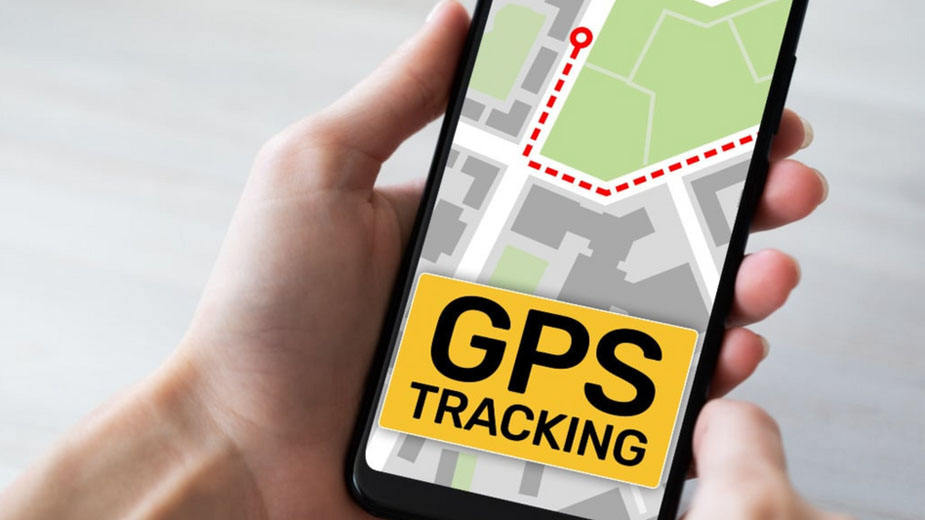
Personal alarms have long been a lifeline for people who live alone. Older adults benefit most from them. Traditionally, these devices connect to a monitoring centre via a landline. But digital switchover is changing things worldwide. Growing demand for independence is also driving change. Together, these forces push us towards fully mobile devices.
Modern alarms offer GPS tracking as a key feature. Because the alarm goes digital, it works at home. You can also use it when you go out and about. This article explains what GPS personal alarms are. You’ll learn how they keep you safe. We’ll also show why they are a sound investment in independence and peace of mind.
A GPS personal alarm is a wearable device. It uses mobile networks and GPS technology. The device sends alerts and shares your location. Caregivers or emergency teams receive this information. No home landline is required. Instead, the alarm connects through a multi‑network SIM. That means it works at home. It also works when you go out. Some models include automatic fall detection. Others have a built-in speaker and microphone.
Need ultra-portable protection? A mini SOS GPS tracker offers the same life-saving features. This device comes in an even smaller, more discreet form. You might choose a full-sized pendant. Or you might prefer a mini SOS GPS tracker. Either way, these devices prioritise an unobtrusive design. A dedicated GPS tracker device can be worn or carried. This ensures you can always share your location in an emergency. The latest generation of 4G GPS tracker models provides faster location updates. These devices also offer clearer two-way voice communication. Modern mobile networks make this possible.
Discreet and easy to wear — that’s the design philosophy behind these alarms. Most come as pendants or wristbands. They resist water enough for bathroom wear. Long battery life keeps them ready. The device sends reminders when it’s time to charge. That way, help remains always available when you need it.
What’s the greatest advantage? A GPS personal alarm works beyond your home. Mobile connectivity makes this possible. The alarm sends an alert even in the garden. You’re also covered at the shops or when visiting friends. Can’t speak when you need help? No problem. The GPS data lets responders or relatives find you quickly and accurately. A 4G GPS tracker excels here. Why? 4G networks offer lower latency. They also provide more precise location pinging than older technologies.
People with dementia find this extra safety reassuring. The same goes for those who enjoy an active lifestyle. Family members receive a notification when something goes wrong. They learn the wearer’s location immediately. This allows them to respond without delay. Two-way communication adds another layer of safety. You can speak directly through the alarm’s speaker and microphone. Explain what happened. Receive reassurance while help travels to you.
Peace of mind — personal alarms have always provided it. GPS tracking takes that reassurance further. Users maintain their usual routines. They don’t worry about losing connection when stepping outside. Carers and relatives also gain confidence. Why? They know the alarm works wherever the wearer goes. It doesn’t just work near a base unit.
Automatic fall detection offers another key benefit. This feature senses hard falls. It sends an alert without any button press. You might rely on a dedicated GPS tracker device. Or you might prefer an all-in-one pendant. Either way, these features help people stay active and independent. Assistance always remains available when needed.
When choosing a GPS personal alarm, consider the following features:
- Multi‑network connection – A device with a SIM connects to the strongest mobile network. You don’t need a landline. Coverage works all over the world. A 4G GPS tracker is future‑proof against network switchovers. It also works during power cuts.
- Fall detection – Choose alarms that alert the response centre automatically. They should do this when detecting a hard fall. This feature proves vital if you lose consciousness. It also helps when you can’t press the button yourself.
- GPS location sharing – The device should transmit your location when activated. Carers can then find you quickly. Tuck a mini SOS GPS tracker into a pocket or bag. It won’t draw attention.
- Two‑way communication – A built‑in speaker and microphone let you speak directly to responders. This gives them vital information about your situation.
- Water resistance – Slips often happen in bathrooms. Choose an alarm that resists water. You should be able to wear it in the shower.
- Ease of wear – Do you prefer a pendant, wristband, or belt clip? Modern alarms offer multiple wearing options. Every reliable GPS tracker device includes this flexibility.
At CoreSmart Cloud, we offer digital personal alarms with all the features above and more. Our devices use a multi‑network SIM to ensure they work wherever there is mobile coverage, so you can go about your day without worrying about losing connection. If you fall, the alarm automatically detects the impact and notifies your family or monitoring team, who answer calls quickly and can summon assistance immediately. The built‑in GPS module lets your loved ones know exactly where you are, and the two‑way communication means you can speak to our team while help is on the way. Our alarms are water‑resistant and comfortable to wear, whether you choose a pendant or wrist strap.
Moving to a GPS‑enabled personal alarm is a straightforward way to protect yourself or someone you care about. Unlike traditional land-line-based systems, GPS alarms work wherever you go and allow responders to find you quickly if an incident occurs. By choosing a device with features like fall detection, two‑way communication, and water resistance, you’re investing in independence and safety. CoreSmart Cloud’s digital alarms make it easy to stay connected, giving peace of mind to users and their families.